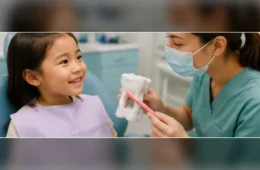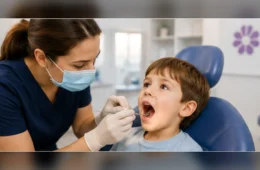
Dental anxiety is common in children. A new environment, unfamiliar sounds, a sensitive tooth, or a previous difficult experience can make even a short appointment feel overwhelming. The right support can help a child remain comfortable without turning the visit into a struggle.
One option is nitrous oxide for kids, sometimes called laughing gas. Pediatric dentists use a carefully controlled mixture of nitrous oxide and oxygen to reduce anxiety and help selected children cooperate during treatment. The child stays awake, can respond to questions, and continues breathing independently.
Nitrous oxide is not necessary for every child or every procedure. The decision should be individualized after reviewing the child’s age, health history, anxiety level, ability to breathe through the nose, and the type of dental care planned.
What Is Nitrous Oxide Sedation?
Nitrous oxide/oxygen inhalation is generally considered a form of minimal sedation or anxiolysis when used by itself at appropriate levels. A small mask rests over the child’s nose. As the child breathes normally, the dentist gradually adjusts the gas mixture to achieve relaxation while maintaining communication.
The American Academy of Pediatric Dentistry recognizes judicious nitrous oxide use as a safe and effective way to reduce dental anxiety, provide mild analgesia, and improve communication for children, adolescents, and patients with special health care needs. Safety depends on appropriate patient selection, trained clinicians, properly maintained equipment, monitoring, and adherence to professional guidelines.
Parents can learn about the practice’s approach to nitrous oxide for pediatric dental patients before deciding whether it may be appropriate for their child.
How Nitrous Oxide Feels to a Child
Children describe the experience in different ways. Some feel warm, light, floaty, calm, or pleasantly distracted. Others notice tingling in the hands or feet. The goal is relaxation, not unconsciousness. Your child should still be able to answer simple questions, follow directions, and tell the dental team how they feel.
Nitrous oxide does not replace local anesthetic when a procedure requires a tooth to be numb. It helps with anxiety and comfort, while local anesthetic blocks pain in the treatment area. The pediatric dentist will explain which parts of the plan apply to your child.
When a Pediatric Dentist May Recommend It
- A child is fearful, anxious, or tense despite supportive communication
- A strong gag reflex interferes with X-rays or dental treatment
- The procedure is longer or more stimulating than a routine cleaning
- A cooperative child may become fatigued during a lengthy appointment
- Movement related to age, development, or a health condition makes treatment difficult
- The dentist wants to help prevent a difficult experience from reinforcing dental fear
For a child who is unsure about the office but does not yet need treatment, a complimentary confidence visit may provide a non-treatment introduction to the environment. Familiarity, predictable language, and gradual exposure can sometimes reduce anxiety before sedation is considered.
Nitrous Oxide Is Not the Same as General Anesthesia
| Feature | Nitrous Oxide/Oxygen | General Anesthesia |
| Awareness | Child remains awake and responsive | Child is unconscious |
| Breathing | Child breathes independently through a nasal mask | Airway and breathing require advanced management |
| Typical setting | Dental office for selected procedures | Hospital, surgery center, or appropriately equipped setting |
| Recovery | Effects usually fade quickly after the gas is stopped | Longer recovery and stricter post-anesthesia instructions |
| Best fit | Mild-to-moderate anxiety and selected cooperative patients | Complex needs when lesser behavior-guidance options are insufficient |
The appropriate option depends on the procedure, the child’s health, development, behavior, and the safest way to complete necessary care. Parents should receive a clear explanation of alternatives, benefits, limitations, and risks before providing consent.
How to Prepare Your Child
- Share a complete health history. Tell the dentist about medications, allergies, respiratory conditions, previous sedation, nausea, and any history of snoring or sleep apnea.
- Mention nasal congestion. Nitrous oxide is delivered through the nose. A cold, significant congestion, or difficulty nasal breathing may make it less effective or lead the dentist to reschedule.
- Follow eating instructions exactly. Offices may provide specific directions about food and drink to reduce nausea and support safety. Do not invent your own fasting schedule; follow the instructions provided for your child.
- Use calm, simple language. Describe the nasal mask as a small breathing mask and focus on slow breathing. Avoid dramatic promises or words that can increase fear.
- Bring comfort and questions. A favorite item may help, and parents should ask how the office monitors children and what to expect afterward.
Families preparing for a first dental visit can also review the office’s child-centered approach before the appointment.
What Happens During the Appointment
The dental team first confirms the health history and planned procedure. The nasal mask is placed gently, oxygen may be started, and nitrous oxide is introduced gradually. The dentist observes the child’s response and adjusts the concentration rather than using a one-size-fits-all amount.
Throughout the visit, the child’s level of responsiveness, breathing, comfort, and overall condition are observed. Communication remains important: a child should be able to respond, and parents should understand who is present, how the child is monitored, and what the office does if the child becomes uncomfortable.
At the end, the nitrous oxide is discontinued and oxygen is commonly administered for several minutes. Because nitrous oxide leaves the body quickly, many children return to their usual level of alertness before leaving the office.
Possible Side Effects and Reasons to Postpone
Most children tolerate nitrous oxide well when it is used appropriately, but no medical intervention is completely free of side effects. Nausea, vomiting, dizziness, headache, or an unpleasant sensation can occur. Rapid changes in concentration, a heavy meal, individual sensitivity, or a prolonged appointment may contribute.
The dentist may decide nitrous oxide is not appropriate when a child cannot breathe comfortably through the nose, has certain respiratory or medical conditions, is unable to tolerate the mask, or needs a level of care beyond minimal sedation. Recent illness and any history of breathing problems should be discussed before treatment.
After the Visit
Follow the office’s discharge instructions even if your child seems completely normal. Ask when your child may eat, return to school, participate in sports, or take other medications. Call the office if you notice persistent nausea, unusual sleepiness, breathing difficulty, or any symptom that concerns you.
A child who needs a pediatric tooth extraction or treatment after a pediatric dental emergency may have different preparation and aftercare needs. The dentist will tailor instructions to the procedure rather than to nitrous oxide alone.
Questions to Ask Before Agreeing to Sedation
- Why is nitrous oxide being recommended for this procedure and this child?
- What non-drug behavior guidance has been considered?
- Will local anesthetic also be needed?
- What should my child eat or drink before the appointment?
- How will my child be monitored during treatment?
- What symptoms should prompt me to call after the visit?
- What is the plan if nitrous oxide does not provide enough relaxation?
Frequently Asked Questions
Is nitrous oxide safe for children?
The AAPD considers nitrous oxide/oxygen a safe and effective anxiety-control technique when it is used judiciously by trained dental professionals with appropriate equipment, patient selection, and monitoring. Safety is individualized. The dentist needs an accurate medical history and may postpone or choose another option when nasal breathing, illness, or a health condition creates concern.
Will my child be asleep or remember the appointment?
With nitrous oxide used as minimal sedation, the child remains awake, responsive, and able to communicate. Some children remember the appointment clearly; others recall it as less intense because they felt relaxed. Nitrous oxide alone is not general anesthesia and should not be described as putting a child to sleep.
Can my child eat before nitrous oxide?
Follow the exact instructions provided by the dental office. A heavy meal can increase the chance of nausea, but fasting directions vary with the procedure, the child, and whether other medications are involved. Contact the office if the instructions are unclear rather than guessing or extending fasting unnecessarily.
Helping Children Build Confidence in Dental Care
Nitrous oxide is a tool, not the entire experience. A calm team, developmentally appropriate explanations, consent, pacing, and respect for a child’s signals all matter. The best plan completes needed treatment while protecting trust and helping the child build a healthier relationship with dental care.
To discuss anxiety, treatment options, or preparation for an upcoming visit, parents can contact the Upper East Side office. Blossom Pediatric Dentistry can review whether nitrous oxide, a confidence-building visit, or another individualized approach is appropriate.
This article provides general educational information and does not replace individualized medical or dental advice. Sedation decisions and preparation instructions must come from the treating pediatric dentist based on the child’s health and planned procedure.