A child who snores every night, sleeps with an open mouth, or wakes up restless may be showing more than a harmless sleep habit. Sometimes the cause is temporary congestion. In other cases, the pattern can point to a sleep-related breathing concern that deserves a closer look.
Pediatric dentists are in a useful position to notice oral and facial features connected to breathing, jaw growth, tongue posture, and tooth development. A pediatric airway screening does not diagnose sleep apnea, but it can help identify signs that warrant discussion with your child’s pediatrician, an ear-nose-and-throat specialist, or a sleep-medicine professional.
For families on the Upper East Side and throughout New York City, understanding the difference between occasional snoring and a persistent pattern can make it easier to ask the right questions early.
Why Mouth Breathing and Snoring Deserve Attention
Children breathe through their mouths for many reasons. A stuffy nose from a cold, allergies, or dry air can create a short-lived change. The concern grows when mouth breathing in children becomes the usual pattern during sleep or throughout the day, especially when it appears with frequent snoring, gasping, restless sleep, or daytime behavior changes.
Sleep-disordered breathing covers a range of conditions, from primary snoring to obstructive sleep apnea. Not every child who snores has sleep apnea. Still, repeated symptoms should not be dismissed because disrupted sleep can affect how a child feels, learns, behaves, and functions during the day.
The American Academy of Pediatric Dentistry encourages oral-health professionals to screen for snoring and other sleep-related breathing concerns through health history and careful clinical examination, then refer children for medical diagnosis when indicated.
Common Nighttime Signs Parents May Notice
- Frequent or loud snoring, especially on most nights rather than only during a cold
- Mouth breathing during sleep or sleeping with the lips apart
- Pauses in breathing, gasping, choking sounds, or labored breathing
- Restless sleep, unusual sleeping positions, sweating, or repeated awakenings
- Dry mouth, bad breath, or a sore throat in the morning
- Bedwetting that persists or returns after a child had been dry at night
A short video or audio recording of your child’s sleep can help you describe what you are seeing, but it cannot replace an evaluation. If breathing appears to stop, your child struggles for air, or the symptoms feel urgent, contact a medical professional promptly.
Daytime Clues Can Look Different in Children
Adults with poor sleep often seem tired. Children may show the opposite pattern. Fragmented sleep can appear as hyperactivity, irritability, emotional swings, difficulty paying attention, or trouble getting ready in the morning. Other possible clues include:
- Morning headaches or difficulty waking
- Falling asleep in the car or during quiet activities
- Reduced school focus, impulsivity, or behavior changes
- Slow growth, feeding concerns, or difficulty chewing certain foods
- Chronic nasal-sounding speech or an open-mouth resting posture
These symptoms have many possible causes. Their value is in the pattern. A parent, pediatrician, dentist, and other specialists may each see a different part of the picture.
What a Pediatric Airway Screening May Include
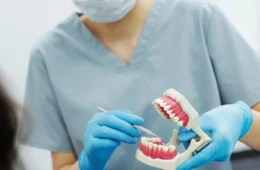
An airway-focused dental visit begins with questions, not assumptions. The dentist may ask about snoring, nasal breathing, sleep quality, allergies, tonsils or adenoids, feeding history, oral habits, attention, and previous medical evaluations. The clinical examination may review:
- Lip seal and whether the child rests with the mouth open
- Tongue position, mobility, and available space in the mouth
- The shape of the palate and dental arches
- Bite development, crowding, crossbite, overbite, or jaw asymmetry
- Tonsillar area and other visible signs of possible obstruction
- Patterns of tooth wear, dry mouth, gum irritation, and cavity risk
The goal is to recognize risk and coordinate care. A pediatric dentist does not diagnose obstructive sleep apnea from an oral examination alone. Diagnosis may require evaluation by a physician and, in some cases, an overnight sleep study.
Airway Screening vs. Medical Diagnosis
| Step | Purpose | Who May Be Involved |
| Dental airway screening | Identifies oral, dental, and developmental signs that may increase concern | Pediatric dentist |
| Medical evaluation | Reviews breathing, allergies, tonsils, adenoids, and overall health | Pediatrician or ENT |
| Sleep evaluation | Determines whether a sleep-related breathing disorder is present and how severe it may be | Sleep physician or sleep center |
| Coordinated treatment | Addresses the confirmed causes with an individualized plan | Medical and dental team as appropriate |
How Dental Development Can Relate to Breathing
The tongue, lips, jaws, and airway develop together, but no single dental feature proves that a child has a breathing disorder. A narrow palate, crossbite, crowding, or a low tongue posture may prompt a closer conversation about growth and function.
For some children, interceptive orthodontics may help guide developing jaws or create space for incoming teeth. This is not an automatic treatment for snoring or sleep apnea. Orthodontic decisions should be based on a complete diagnosis, age, growth pattern, bite, and coordination with medical care when breathing is a concern.
Similarly, limited tongue mobility can affect feeding, speech, oral hygiene, or resting posture in selected children. A tongue-tie, lip-tie and cheek-tie evaluation should consider function—not appearance alone—and treatment is recommended only when the findings and symptoms support it.
What Parents Can Do Before the Appointment
- Track the pattern. Note how often snoring or mouth breathing occurs and whether it is limited to illness or allergies.
- Write down daytime changes. Include attention, mood, morning headaches, fatigue, feeding, and school concerns.
- List medical history and medications. Bring information about allergies, asthma, nasal congestion, surgeries, and prior ENT or sleep evaluations.
- Record a short sleep sample. A brief video may help clinicians understand the sound and effort of breathing.
- Avoid promising a specific treatment. Screening may lead to reassurance, monitoring, referral, or additional evaluation—not necessarily a dental procedure.
When to Schedule an Evaluation
Mention occasional snoring at routine visits, and schedule a more focused conversation when symptoms are frequent, worsening, or paired with breathing pauses, gasping, restless sleep, daytime behavioral changes, or growth concerns. A first pediatric dental visit can also establish a baseline for oral development and help parents learn which changes to monitor as a child grows.
Blossom Pediatric Dentistry’s approach connects dental health with airway development and whole-body wellness. Families interested in a gentle, prevention-focused perspective can learn more about biological pediatric dentistry or contact Blossom Pediatric Dentistry to discuss an airway-focused visit in the Upper East Side.
Frequently Asked Questions
Is snoring normal in children?
Snoring during a cold or temporary congestion can happen. Snoring that is frequent, loud, or accompanied by gasping, breathing pauses, restless sleep, or daytime changes should be discussed with your child’s pediatrician and dentist. Not every child who snores has sleep apnea, but persistent snoring deserves evaluation rather than guesswork.
Can a pediatric dentist diagnose sleep apnea?
A pediatric dentist can screen for risk factors and notice oral or developmental signs that may justify referral. A medical professional makes the diagnosis, often using a full history, examination, and sometimes a sleep study. Dental and medical providers may collaborate when jaw growth, bite development, tonsils, allergies, or tongue function are part of the picture.
At what age can a child have an airway screening?
Airway-related questions can be part of dental visits from infancy onward because breathing, feeding, sleep, and oral development begin early. The depth of the screening depends on the child’s age and symptoms. Parents do not need to wait for permanent teeth or obvious orthodontic problems before mentioning snoring or chronic mouth breathing.
A Better Night Starts With the Right Questions
A child’s breathing pattern is only one part of health, but it can influence sleep, behavior, growth, and daily comfort. Early screening helps families move from vague concern to an organized next step—whether that means simple monitoring, addressing congestion, obtaining a medical referral, or coordinating dental and developmental care.
This article is for general educational purposes and is not a diagnosis or a substitute for individualized medical or dental care. Seek urgent medical help if a child is struggling to breathe or has prolonged pauses in breathing.