Can Dental Issues Cause My Child Breathing Problems?
Yes, dental issues can be connected to breathing problems in children, but usually not in the simple way parents imagine.
A cavity, for example, does not typically “cause” breathing problems. But the way your child’s jaws, palate, tongue, teeth, bite, and oral habits are developing can affect how easily air moves through the nose, mouth, and throat. Sometimes the mouth gives us early clues that a child is struggling to breathe well, especially during sleep.
That is where Airway Dentistry becomes important.
At Blossom Pediatric Dentistry in the Upper East Side of New York City, airway-focused care means looking beyond teeth and gums. It means asking bigger questions: Is your child breathing through their nose? Sleeping soundly? Growing with enough room for the tongue? Developing a balanced jaw and bite? These details matter because oral development and whole-body wellness are closely connected.
What Is Airway Dentistry for Children?
What is airway dentistry for children? It is a dental approach that evaluates how a child’s oral structures may be affecting breathing, sleep, jaw growth, and facial development.
You can think of it as detective work. A pediatric dentist trained in airway awareness looks for signs such as a narrow palate, crowded teeth, mouth breathing, tongue posture issues, tongue-tie, grinding, snoring, or a bite that does not fit together comfortably. These signs do not automatically mean your child has a serious breathing disorder, but they may suggest that further evaluation is needed.
Blossom Pediatric Dentistry offers Airway Dentistry through gentle pediatric airway screening, helping families identify concerns early and coordinate care when needed.
How the Mouth and Airway Are Connected
Children are designed to breathe primarily through the nose. Nasal breathing helps filter, warm, and humidify air. It also supports healthy tongue posture, which plays a role in shaping the upper jaw and palate.
When a child consistently breathes through the mouth, the tongue often rests low instead of gently against the palate. Over time, that can influence how the jaws grow. A narrow upper jaw may leave less room for the tongue and may contribute to crowding, crossbite, or an open-mouth resting posture.
This is why a pediatric dental visit can reveal more than cavities. The mouth can tell a story.
Dental and Oral Signs That May Point to Breathing Issues
Parents often notice sleep or behavior changes first. Dentists may notice structural clues. Together, these pieces can create a clearer picture.
Common Signs Parents May See at Home
Your child may benefit from an airway-focused dental evaluation if you notice:
- Frequent mouth breathing, especially during sleep
- Loud or regular snoring
- Restless sleep or unusual sleeping positions
- Teeth grinding at night
- Dry lips or dry mouth in the morning
- Waking up tired despite a full night of sleep
- Bedwetting beyond the expected age
- Difficulty focusing during the day
- Irritability, hyperactivity, or mood swings
- Frequent headaches or morning grogginess
Snoring in children should not be brushed off as “cute” or normal when it happens often. Pediatric obstructive sleep apnea involves partial or complete airway blockage during sleep, and professional evaluation is important when symptoms are present.
Signs a Pediatric Dentist May Notice
During an airway screening, a dentist may look for:
- A high, narrow palate
- Crowded baby or adult teeth
- Crossbite or open bite
- Small or recessed jaws
- Tongue-tie or restricted tongue movement
- Enlarged tonsil appearance
- Heavy plaque from dry mouth
- Tooth wear from grinding
- Lips-apart resting posture
- Low tongue posture
These findings do not replace a medical diagnosis. They help identify whether your child may need support from a pediatrician, ENT, orthodontist, myofunctional therapist, sleep physician, or other healthcare provider.
Can a Small Jaw or Narrow Palate Affect Breathing?
It can.
A child’s upper jaw forms part of the floor of the nasal cavity. When the upper jaw is narrow, nasal airflow may be less efficient, and the tongue may not have enough room to rest comfortably in the mouth. That can encourage mouth breathing, which may then reinforce less-than-ideal oral posture.
It becomes a loop: breathing patterns influence oral development, and oral development can influence breathing patterns.
This is one reason early screening matters. Children are still growing. When concerns are spotted early, families may have more conservative options to support healthy growth.
The Role of Tongue Posture and Tongue-Tie
The tongue is not just for speaking and eating. It is a powerful guide for facial growth.
Ideally, the tongue rests gently against the roof of the mouth when a child is not eating or talking. This helps support proper palate development. If the tongue rests low because of mouth breathing, oral habits, or a restricted frenum, the palate may not receive the same natural shaping pressure.
A tongue-tie does not always cause breathing problems. Many children with tongue-tie breathe and sleep well. But in some cases, restricted tongue movement can contribute to feeding challenges, speech concerns, low tongue posture, or altered oral function. That is why an individualized exam is so important.
For younger children, Blossom Pediatric Dentistry’s what is airway dentistry for children? approach includes attention to early oral development, airway examination, and parent guidance.
Is Mouth Breathing Really a Dental Concern?
Yes. Mouth breathing can affect the teeth, gums, and growth of the jaws.
When a child breathes through the mouth regularly, saliva may dry out more quickly. Since saliva helps protect teeth, dry mouth can increase the risk of cavities, gum irritation, and bad breath. Mouth breathing may also be associated with changes in bite development and facial growth patterns.
That said, mouth breathing is often a symptom, not the root problem. The cause may be enlarged tonsils or adenoids, allergies, chronic nasal congestion, a deviated septum, oral restrictions, or other medical factors. A pediatric dentist can help identify oral signs, but the right care plan may involve collaboration.
What Happens During an Airway Screening?
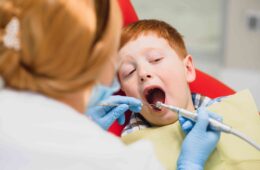
An airway screening at a pediatric dental office is usually gentle, visual, and child-friendly. It is not scary, invasive, or overwhelming.
A Pediatric Airway Screening May Include:
- Review of your child’s sleep and breathing habits
- Questions about snoring, grinding, mouth breathing, and daytime behavior
- Evaluation of jaw growth and bite development
- Examination of palate width and tooth crowding
- Assessment of tongue posture and mobility
- Review of oral habits such as thumb sucking or prolonged pacifier use
- Discussion of whether referrals are needed
Blossom Pediatric Dentistry’s Airway Dentistry services are designed to help children breathe, sleep, and grow better through early awareness and whole-child care.
When Should Parents Be Concerned?
Occasional mouth breathing during a cold is common. A few restless nights during allergy season may not be a major concern. But patterns matter.
Schedule an evaluation if your child regularly snores, sleeps with their mouth open, grinds their teeth, wakes tired, struggles with focus, or seems to work hard to breathe during sleep.
Seek urgent medical attention if your child has pauses in breathing, blue lips, severe labored breathing, chest retractions, or gasping that feels alarming. Those signs should be handled by a medical professional right away.
How Pediatric Dentists Help With Breathing-Related Concerns
A pediatric dentist does not diagnose every airway condition. Instead, they play a valuable screening and coordination role.
At Blossom Pediatric Dentistry, the goal is to identify risk factors early and guide families with clarity. Depending on the child’s needs, recommendations may include monitoring growth, improving oral habits, supporting nasal breathing, evaluating tongue function, coordinating with an ENT, or discussing orthodontic growth guidance at the right age.
This is also aligned with Blossom’s broader philosophy of biological pediatric dentistry, which considers the relationship between oral health, development, sleep, breathing, and whole-body wellness.
Can Treating Dental Issues Improve Breathing?
Sometimes, yes. But it depends on the cause.
If a child’s breathing issue is related to enlarged adenoids, allergies, or chronic nasal obstruction, dental treatment alone will not solve it. If the issue involves narrow jaw development, poor tongue posture, oral habits, or bite concerns, dental and orthodontic guidance may be part of the solution.
The most effective care is often collaborative. A pediatric dentist may work alongside pediatricians, ENTs, orthodontists, speech-language pathologists, sleep specialists, and myofunctional therapists.
The key is not to guess. It is to screen, observe, and act early when signs point to a problem.
Why Early Evaluation Matters
Children grow quickly. Their jaws, faces, breathing patterns, and sleep habits are developing every day.
Early airway screening can help parents understand whether their child’s dental development is on track or whether something deserves closer attention. It can also prevent years of confusion around symptoms that may seem unrelated: restless sleep, grinding, picky eating, crowding, dry mouth, poor focus, or chronic fatigue.
A child who breathes well often sleeps better. A child who sleeps better often learns, grows, and regulates emotions more easily. That is why airway-focused pediatric dentistry is not just about teeth. It is about helping the whole child thrive.
Next Steps for Parents
If you are wondering whether dental issues could be connected to your child’s breathing, start with a pediatric dental evaluation. Bring your observations. Mention snoring, mouth breathing, grinding, restless sleep, allergies, feeding concerns, or anything that feels “off.”
At Blossom Pediatric Dentistry, families can expect a gentle, thoughtful approach that looks at oral health as part of a bigger picture. Your child’s smile is important. So is the way they breathe, sleep, grow, and feel every day.
FAQ
1. What is airway dentistry for children?
Airway dentistry for children is a pediatric dental approach that looks at how the teeth, jaws, palate, tongue, bite, and oral habits may affect breathing and sleep. It does not replace medical care, but it can help identify early signs that a child may be struggling with airway function. A pediatric dentist may screen for mouth breathing, snoring, narrow palate, crowded teeth, tongue posture issues, grinding, and jaw growth concerns. If needed, the dentist may recommend collaboration with an ENT, pediatrician, orthodontist, sleep specialist, or myofunctional therapist.
2. Can mouth breathing change my child’s teeth or face?
Chronic mouth breathing can influence oral and facial development. When a child breathes through the mouth, the tongue often rests low instead of against the roof of the mouth. Over time, this may contribute to a narrower palate, crowded teeth, bite problems, dry mouth, and changes in facial growth patterns. Mouth breathing may also increase cavity risk because the mouth becomes dry and saliva cannot protect the teeth as effectively. The earlier the pattern is recognized, the better the opportunity to understand the cause and support healthier development.
3. Should I see a dentist or doctor if my child snores?
Start with the provider you can access promptly, but do not ignore frequent snoring. A pediatric dentist can screen for oral and jaw-related signs of airway concerns, while a pediatrician or ENT can evaluate medical causes such as enlarged tonsils, adenoids, allergies, or nasal obstruction. If your child snores regularly, gasps during sleep, pauses breathing, sleeps restlessly, grinds their teeth, or wakes up tired, it is worth seeking professional guidance. Frequent snoring in children is not something parents should simply wait for them to outgrow.